the Evolution of Superhero Movies — From Early Comic Adaptations to M
The superhero genre is no longer a niche subculture; it is the dominant monoculture of the 21st century. What began as a series of campy experiments has evolved into a multibillion dollar industrial
SceneIt Team · 5 min read · Movie Discovery
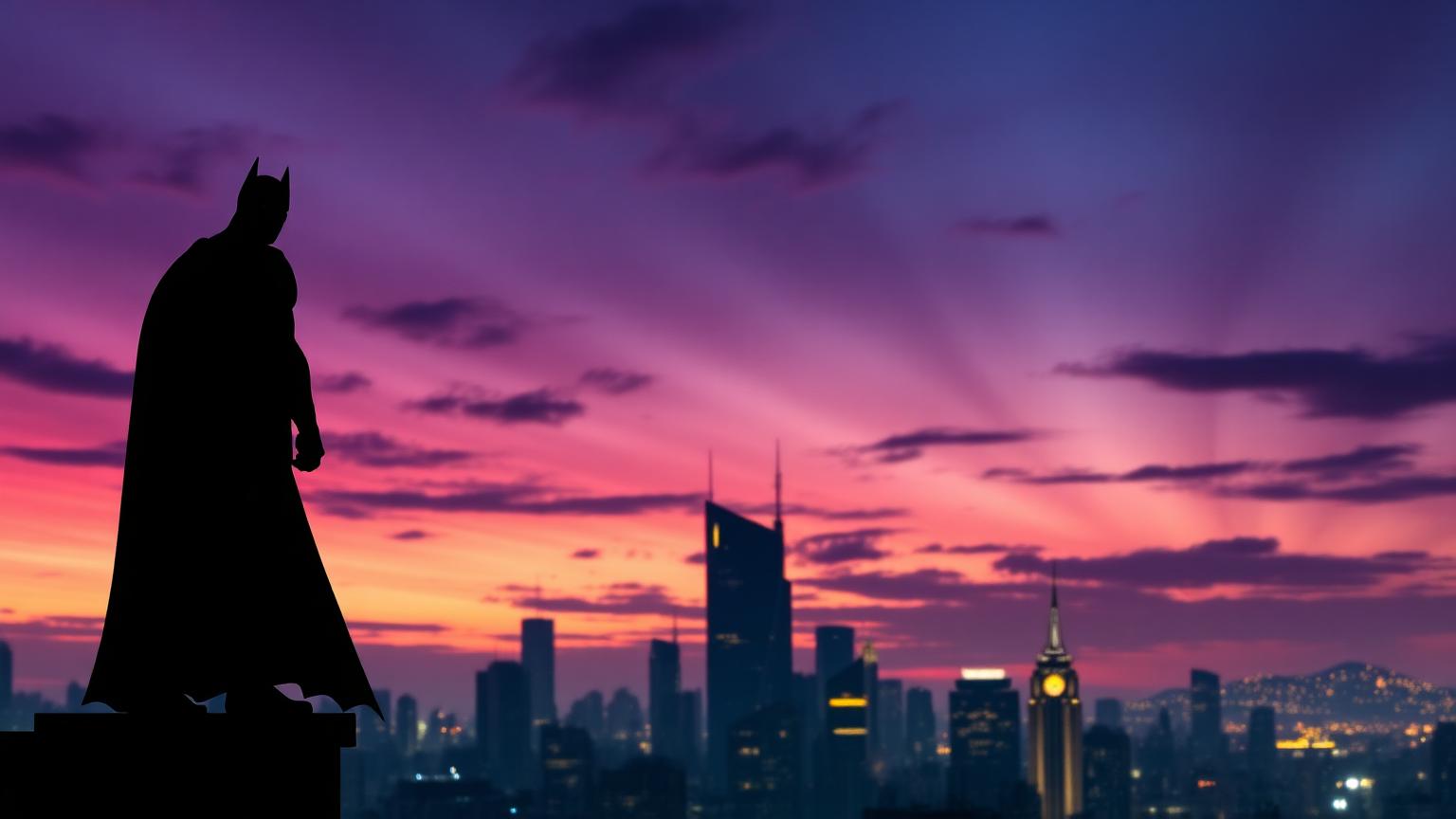
The superhero genre is no longer a niche subculture; it is the dominant monoculture of the 21st century. What began as a series of campy experiments has evolved into a multi-billion dollar industrial complex that dictates the release calendars of global cinema. But the journey from the primary colors of the 1970s to the cosmic nihilism of the Avengers: Endgame era isn't just a timeline of better CGI—it is a reflection of how we use mythology to process our collective anxieties.
The Age of Sincerity and Camp
In the beginning, superhero movies were treated with a mix of reverence and embarrassment. Richard Donner’s Superman (1978) set the gold standard by taking the source material seriously, famously using the tagline "You will believe a man can fly." Christopher Reeve didn't play Clark Kent as a parody; he played him with a moral clarity that felt radical.
However, the 1990s saw the genre veer into neon-soaked camp. While Tim Burton’s Batman (1989) introduced a gothic, German Expressionist aesthetic to Gotham, the sequels eventually devolved into the toy-commercial aesthetics of Batman & Robin. For a long time, the industry consensus was that superheroes were for children, and any attempt to make them "gritty" was a commercial risk. If you search SceneIt for "90s superhero scenes," you’ll find a jarring contrast between the dark, rainy rooftops of The Crow and the rubber nipples of Joel Schumacher’s Gotham.
The Post-9/11 Pivot to Realism
The turning point came at the dawn of the millennium. Bryan Singer’s X-Men (2000) traded yellow spandex for black leather, grounding the mutant struggle in a metaphor for civil rights. Then came Sam Raimi’s Spider-Man (2002), which proved that a superhero movie could be both a heartfelt coming-of-age story and a massive box-office juggernaut.
But the real shift occurred in 2005 with Christopher Nolan’s Batman Begins. Following the trauma of 9/11, audiences were no longer interested in the primary-color escapism of the 70s. We wanted to see how a billionaire would actually build a tactical suit; we wanted to see the logistics of fear. Nolan’s "Dark Knight" trilogy stripped away the "super" and focused on the "hero," culminating in the 2008 masterpiece The Dark Knight. It wasn't just a comic book movie; it was a crime epic that happened to have a man in a cowl. It changed the Academy Awards, it changed cinematography, and it set a bar for "prestige" superheroism that many are still trying to clear.
The Marvel Cinematic Universe and the Death of the Standalone
While Nolan was perfecting the standalone trilogy, Marvel Studios was quietly building a skyscraper. 2008’s Iron Man was a gamble on a "B-list" character and a "washed-up" actor (Robert Downey Jr.), but its post-credits scene—Samuel L. Jackson mentioning the "Avengers Initiative"—changed the DNA of Hollywood.
The MCU introduced the concept of the "Cinematic Universe," a serialized storytelling format borrowed directly from the comic book medium. No longer was a movie an isolated event; it was a chapter in a 22-film saga. This era was defined by "The Whedon Touch"—snappy dialogue, ensemble chemistry, and a vibrant, interconnected world. The 2012 Avengers proved that audiences were willing to do the "homework" of watching five previous films to understand the sixth.
At SceneIt, we often see users looking for that specific "Marvel feeling"—that blend of high-stakes action and bathos (the deflation of tension with a joke). Think of the "Puny God" scene from The Avengers, where the Hulk thrashes Loki. It’s a moment that perfectly captures the MCU’s refusal to let self-seriousness get in the way of a good time.
The 'Endgame' Peak and the Multiversal Problem
We reached the cultural apex with Avengers: Infinity War and Avengers: Endgame. These weren't just movies; they were global communal events. The "Portals" sequence in Endgame remains one of the most significant moments in modern film history—a payoff ten years in the making that relied on the audience’s deep emotional investment in over two dozen characters.
However, the post-Endgame era has faced a new challenge: "superhero fatigue" and the complexity of the Multiverse. When every movie involves the potential collapse of infinite timelines, the stakes can ironically feel lower. The human element—the Peter Parker struggling to pay rent or the Bruce Wayne mourning his parents—gets lost in the cosmic noise.
We are seeing a shift toward "deconstructionist" superhero media. Shows like The Boys or films like Joker and The Batman (2022) suggest that the audience is ready to see the tropes torn down. We’ve moved from wanting to be the hero, to questioning if the hero should even exist.
The Future: Niche over Mass
Where do we go from here? The era of the "guaranteed billion-dollar superhero hit" seems to be over. But this is actually good news for film lovers. It means studios have to take risks again. We are seeing more stylistic experimentation, like the painterly, hyper-kinetic animation of the Spider-Verse films or the psychedelic horror elements in Doctor Strange in the Multiverse of Madness.
If you use the SceneIt mood discovery tool to find "dark and philosophical" superhero films, you’ll find that the genre is widening. It’s no longer just about capes and tights; it’s about using the superhero framework to explore grief (WandaVision), political corruption (The Batman), or the chaos of the multiverse (Everything Everywhere All At Once, which, while not a DC/Marvel property, is the ultimate evolution of the trope).
The superhero movie isn't dying; it’s diversifying. We have moved past the era of the "formula." As we look toward James Gunn’s new DC Universe and the MCU’s integration of the X-Men, the focus is shifting back to what made Superman work in 1978: character, heart, and a sense of wonder that doesn't require a spreadsheet to track. The spectacle is now the baseline; the soul is what will define the next decade of the genre.