The Dark Allure: Why We Crave Cinematic Fear
Ever wonder why you willingly subject yourself to the heart-pounding terror of a horror film? It's not just about jump scares. This article delves into the complex psychology behind our love for horror, exploring how filmmakers masterfully manipulate our primal fears and emotions.
SceneIt Team · 4 min read · Film Craft
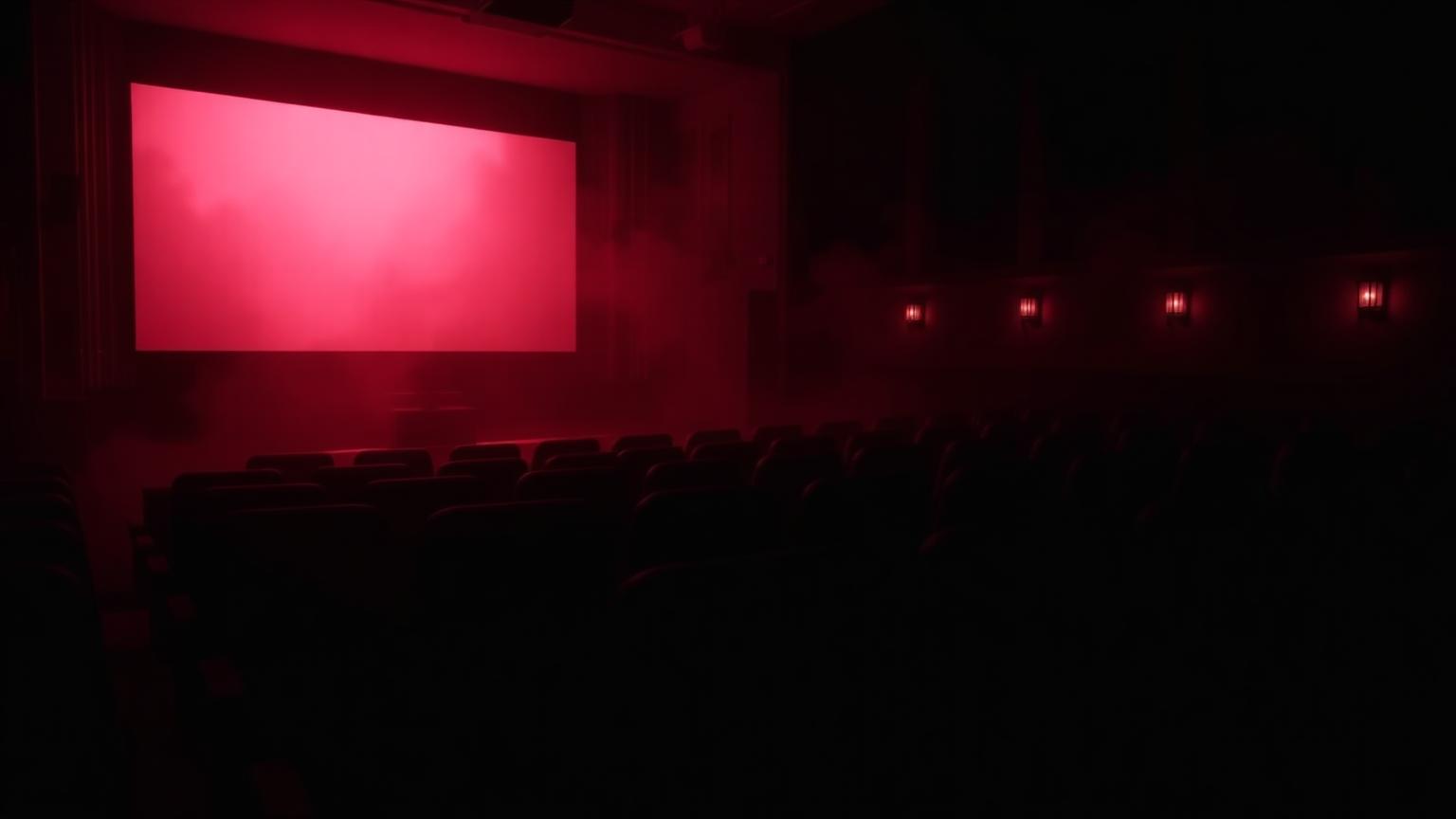
Movie-watching, at its core, is often an escape. We seek out narratives that transport us, that make us laugh, cry, or feel a surge of inspiration. But then there's horror. This genre, seemingly counterintuitive to the pursuit of comfort, actively seeks to unsettle, to terrify, to provoke dread. Yet, it endures. It thrives. From the silent, shadowy dread of Nosferatu to the visceral, relentless pursuit of It Follows, horror films consistently fill theaters and dominate streaming queues. The perennial question, then, is: why? Why do we voluntarily surrender ourselves to fear, and how do filmmakers so expertly orchestrate this unsettling symphony?
The Controlled Release: Fear as Catharsis
One of the most widely accepted theories for our attraction to horror is the concept of a 'controlled release.' In our daily lives, fear is typically a signal of danger, something to be avoided. But in the curated world of cinema, we experience fear from a safe distance. We know, intellectually, that the chainsaw-wielding maniac, the vengeful spirit, or the impending alien invasion isn't real. This allows us to engage with our primal fear responses – the increased heart rate, the surge of adrenaline, the heightened senses – without actual consequences.
This adrenaline rush can be exhilarating. It's a physiological workout, a rapid ascent and descent of emotional intensity that can leave us feeling strangely refreshed, even cleansed. Psychologists sometimes refer to this as 'eustress' – a positive form of stress that can be stimulating. Think of it like riding a roller coaster: you're scared, your stomach drops, but you know you're ultimately safe, leading to a thrill that regular life rarely provides. Classic examples like Psycho's shower scene, while terrifying, resolve with the knowledge that Janet Leigh's fate isn't ours, leaving us with the afterglow of a powerful emotional experience.
Understanding Our Shadows: Exploring the Unconscious
Beyond mere physiological thrill, horror films offer a unique opportunity for psychological exploration. They often tap into our deepest, most repressed anxieties and societal fears. Are we afraid of death? Of losing control? Of the unknown? Of the monsters lurking within ourselves or others? Horror cinema confronts these uncomfortable truths head-on.
Take The Babadook, for instance. Ostensibly about a monstrous entity, it's a profoundly effective exploration of grief, depression, and the dark side of motherhood. The creature becomes a physical manifestation of the protagonist's overwhelming psychological burden. Similarly, the zombie genre, from Night of the Living Dead to 28 Days Later, often serves as a metaphor for societal collapse, disease, or consumerism. By externalizing these fears into tangible monsters or situations, horror allows us to process them, to understand them, and perhaps even to find a sense of mastery over them in a fictional context. It's a way for our collective unconscious to examine its own demons.
The Art of Manipulation: Crafting Tension and Emotion
Filmmakers are masters of psychological manipulation when it comes to horror. They don't just show us gore; they painstakingly build an atmosphere of dread. This involves several key techniques:
Sound Design: Perhaps the most potent tool. The scratch of fingernails on a chalkboard, the low, distant hum, the sudden, piercing shriek – sound can bypass our rational defenses and trigger an immediate physiological response. Consider the iconic, dissonant strings in Jaws or the subtle, unnerving score in Hereditary – these sounds don't just accompany the fear; they are the fear.
Pacing and Suspense: Good horror is rarely about constant jump scares. Instead, it's about prolonging the inevitable, playing with our expectations. Alfred Hitchcock was a master of this, famously distinguishing between surprise (a bomb suddenly exploding) and suspense (knowing there's a bomb under the table and watching two people have a casual conversation). The slow, deliberate stalk of Michael Myers in Halloween is terrifying not just because he's a killer, but because the prolonged anticipation of his actions keeps us on edge.
Visual Composition and Lighting: Shadows, claustrophobic framing, distorted perspectives – these visual cues create unease. The stark, isolated landscapes of The Witch or the decaying grandeur of the Overlook Hotel in The Shining aren't just backdrops; they're active participants in generating dread.
Violation of Norms: Horror often derives its power from subverting what we consider safe or sacred. Children (e.g., The Exorcist, The Omen), homes (e.g., Poltergeist, The Conjuring), even the human body itself (e.g., body horror like The Fly) can become sources of terror when their normative functions are disrupted. This deepens the psychological impact, as it attacks our fundamental understanding of safety and order.
The Social Aspect: Shared Vulnerability
Finally, watching horror can be a deeply communal experience. Sharing screams, jumping together, and then laughing nervously in the aftermath fosters a unique bond. It's a safe space to be vulnerable, to lean on companions, and to collectively confront our anxieties. The post-movie discussions, dissecting what scared us and why, can be incredibly engaging and insightful. It transforms a solitary act of consumption into a shared, cathartic ritual.
Ultimately, our love for horror isn't sadistic; it's deeply human. It's an opportunity to safely explore the darkest corners of our psyche, to revel in the thrill of adrenaline, and to emerge, a little shaken but strangely invigorated, with a deeper understanding of what truly scares us. Filmmakers, in their masterful manipulation of tension and emotion, provide us with this invaluable, terrifying gift – and we keep coming back for more.